
Programmable biobots for tasks that conventional systems can’t do.
Fauna Systems is developing tiny, biodegradable biobots that can move, sense, respond to their surroundings, and then safely break down afterward. We’re exploring where these capabilities unlock value in complex environments where chemistry, machinery, and traditional automation fall short.
Agential engineering
The next big opportunity in AI
AI learned to talk. Then it learned physics. Then it learned to move a robot. Agential engineering is the next step: AI that designs living systems with agency of their own.
-
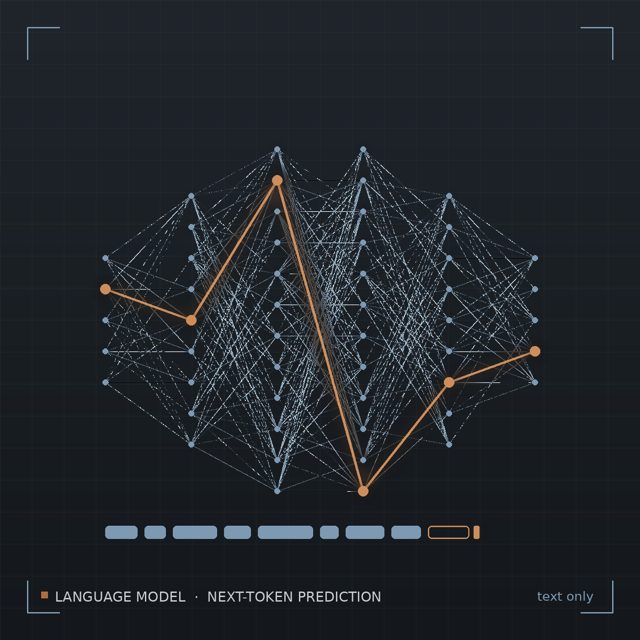
Stage one
Large Language Models
Trained on text to predict the next word. No agency in the physical world.
-
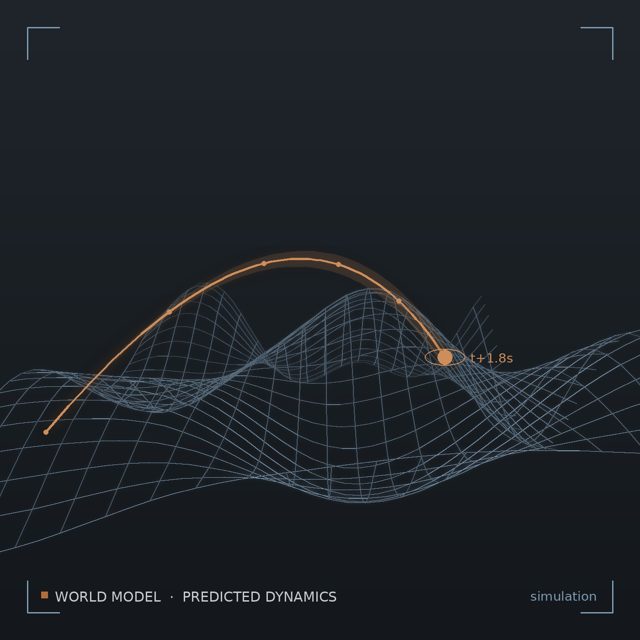
Stage two
World Models
Learn the physics of things. Confined to simulation.
-
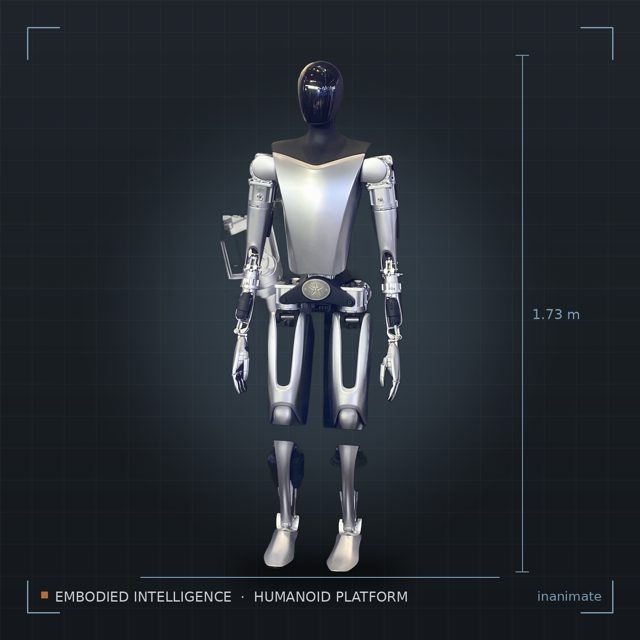
Stage three
Embodied Intelligence
Intelligence uses a robot to learn and to act. The robot is made from inanimate materials.
-
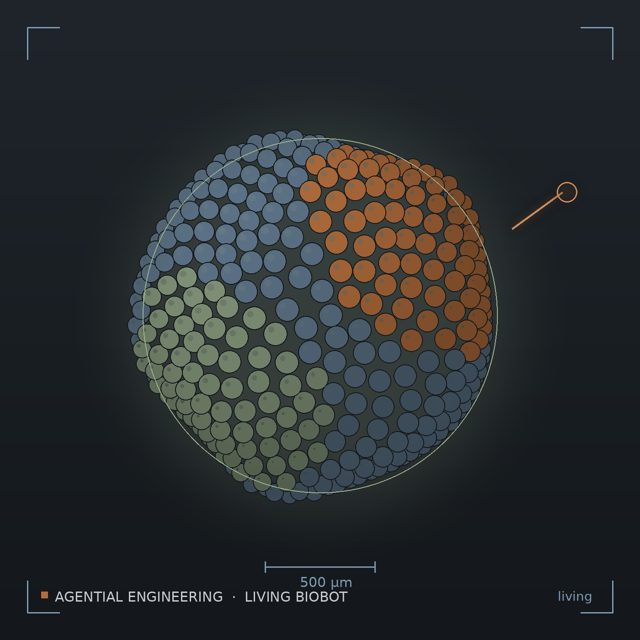
Stage four
Agential Engineering
Form and function discovered in silico with AI. Built from living materials with sensing, smarts, and agency “out of the box”. Trained to do valuable work.
Agential engineering: language beyond humans, psychology beyond physics, embodiment beyond movement.
Biobots are the first product of agential engineering. Mombot, the anatomical compiler that designs biobots, is the tool that discovers and produces all new systems made with agential components.
See how a biobot is designedStage-three photograph: Tesla Optimus, 2023 exhibition unit, by Benjamin Ceci via Wikimedia Commons (public domain), background removed. Other plates are Fauna illustrations. Figures shown are illustrative only.